
The Ultimate Guide to Funding Your Storybook Walk® (Without Breaking the Bank)
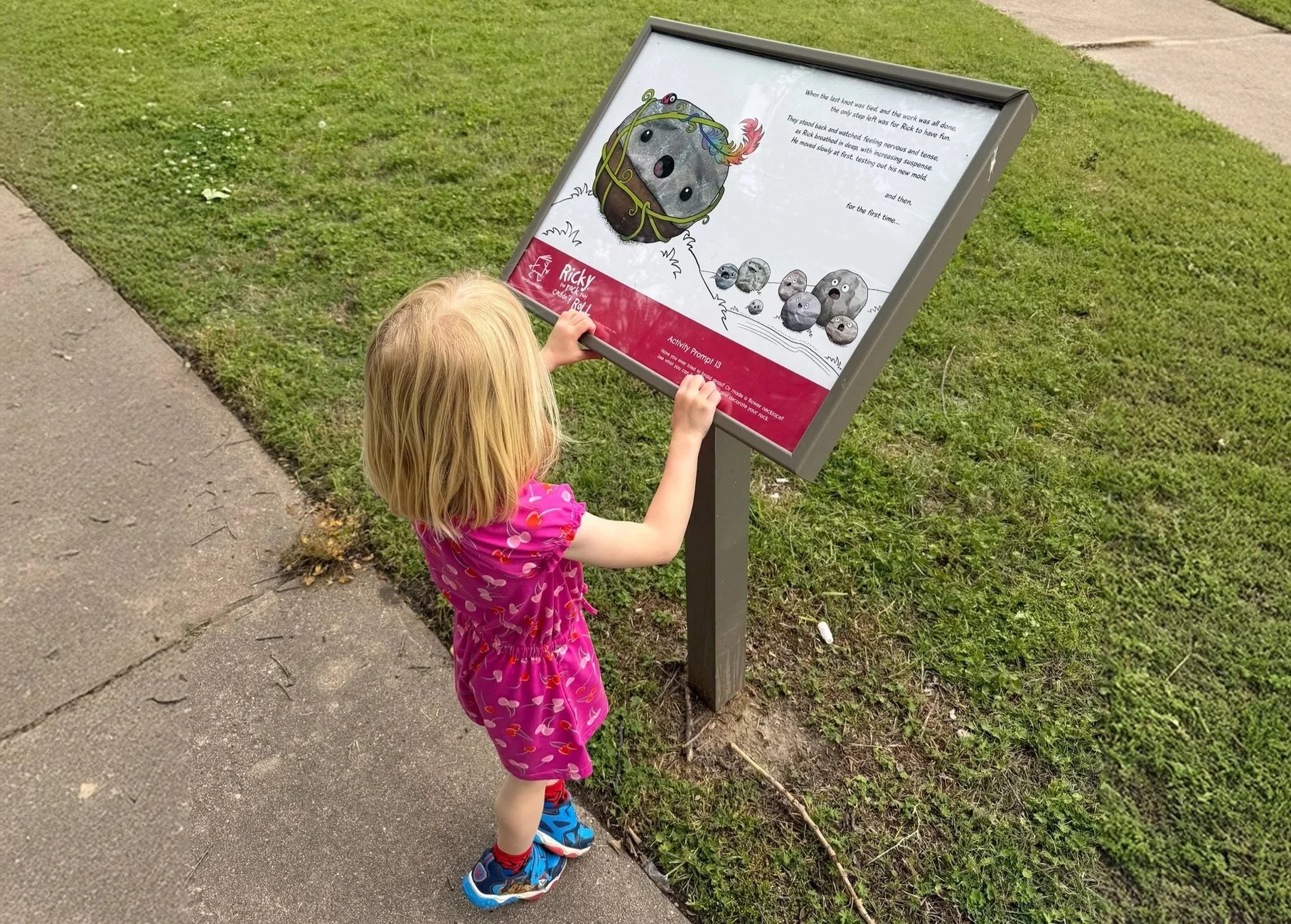
Outdoor reading trails are absolutely exploding in popularity right now. Whether you know these trails as a StoryWalk®, a Story Trail, or a Book Walk, communities everywhere are finding that combining early literacy with outdoor activity is a magical mix, especially when you stock them with engaging Storybook Walk® stories.
But if you are a librarian, a school principal, or a local parks director, your first question after seeing one is usually: "How on earth do we fund this?"
The good news is that because these trails sit at the intersection of education, community health, and public parks, you have access to funding streams that traditional projects cannot touch. You do not need a massive internal budget to make this happen.
Here are four smart funding strategies:
Strategy 1: The "Cross-the-Aisle" Partner Strategy (Parks + Libraries)
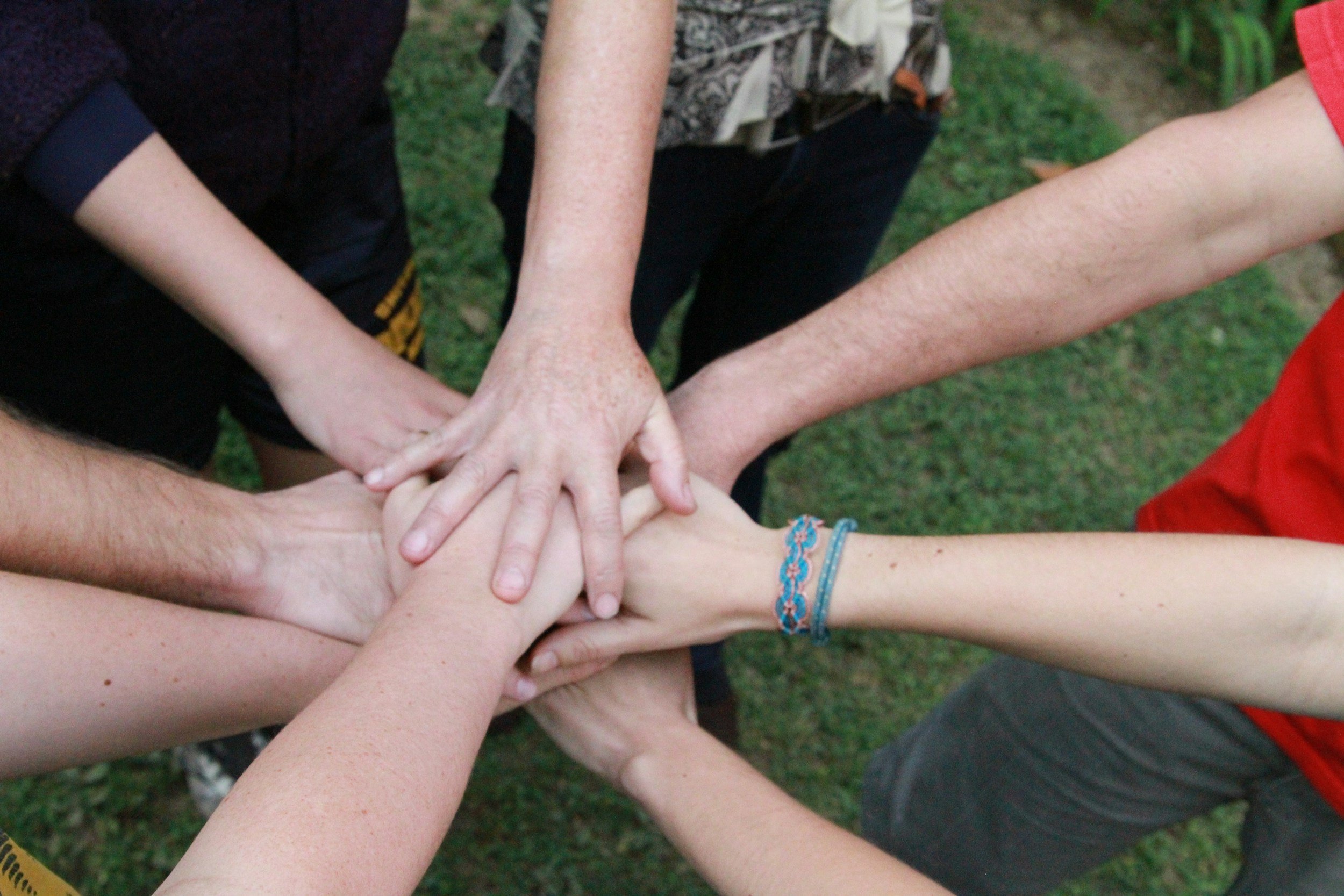
If you are a library looking for a grant, you probably look at library grants. If you are a parks department, you look at grants for parks. The secret to funding a Storybook Walk® is pairing up to apply together.
Many State Departments of Natural Resources and Parks & Recreation divisions offer massive grants for trail development and outdoor education that libraries are legally ineligible to apply for on their own. However, a joint application between a library and a parks department is a grant reviewer’s dream. Here are a few examples:
Tennessee:The Governor’s Early Literacy Foundation (GELF) Storybook Trail Grant works directly with the Tennessee State Parks Conservancy and city parks. This unified state initiative funds the physical infrastructure and literacy tools to build outdoor reading paths, typically covering full project creation values of $4,000 or more.
Texas:The Community Outdoor Outreach Program (CO-OP) Grant(administered by the Texas Parks and Wildlife Department) focuses on getting youth and families engaged in outdoor learning. School districts and libraries routinely partner with local park boards to win these grants, which range from $5,000 to $100,000, to build interactive reading trails.
Pennsylvania:The Community Conservation Partnerships Program (C2P2) Grant(administered by the Pennsylvania DCNR) prioritizes projects focused on community wellness and green education spaces. Local libraries frequently team up with their township parks department to secure a piece of this fund, which awards from $50,000 and up for park trail enhancements.
Ohio:The Ohio Storybook Trail Grantadministered by the Ohio DNR is a perfect example. They actively fund the creation of outdoor reading experiences to get families exploring state parks and local green spaces, offering between $5,000 and $10,000 per applicant.
Take Action! Call your local parks department or vice versa. Propose a joint project where the parks department provides the trail space and applies for outdoor recreation grants, while the library provides the book curation and educational oversight.
Strategy 2: Reliable National "Quick-Action" Grants
If you want to skip heavy state bureaucracy, several massive national organizations and corporate foundations fund community walkability, park spaces, and literacy projects every single year. Their application processes are straightforward, and their funding timelines are designed to get high-impact projects off the ground quickly. Here are a few examples:
AARP: The AARP Community Challenge Grant loves quick-action projects that make local communities more walkable, livable, and engaging for all ages. A trail where grandparents can walk and read with their grandchildren fits their mission perfectly. They routinely fund outdoor reading trails across the US with grants ranging from $500 to $10,000.
The Awesome Foundation: This global community gives out no-strings-attached micro-grants of $1,000 every single month to grassroots projects that bring joy to local areas. A highly visible, colorful outdoor story trail is exactly the kind of project they love to fund.
Walmart: The Walmart Local Community Grant program allows local store managers to directly award funding to local nonprofits, libraries, and schools. Because almost every community has a local Walmart or Sam's Club, this is one of the most accessible grants available. They award between $250 and $5,000 per project, making them perfect for funding your physical trail frames.
T-Mobile: The T-Mobile Hometown Grant is an incredible resource for small towns and rural areas with a population under 50,000. They focus heavily on public spaces, park revitalization, and outdoor community gathering points. They provide ready-to-implement project funding of up to $50,000 per community.
Dollar General: The Dollar General Literacy Foundation Youth Literacy Grant specifically supports schools, public libraries, and nonprofit organizations that are implementing new or expanding existing literacy programs. They award up to $4,000 which can be used to purchase physical books, educational materials, and technology for your trail.
Take Action! Do not wait for annual state deadlines. These national and corporate options often accept applications on a rolling or quarterly basis. Pick a project manager, pull together a basic budget, and submit to these foundations to kickstart your initial funding phase.
Strategy 3: Tap Into Your Local Civic Clubs (The "Plaque" Strategy)
Do not underestimate the power of your local Rotary Club, Kiwanis, or Lions Club. These civic organizations are historically some of the biggest champions of local trails. Civic clubs are always looking for tangible, permanent projects to sponsor that visibly improve the town.
Why they love it: It directly serves children and families (the core mission of the Kiwanis) and promotes community wellness (a core focus of the Rotary).
The Pitch:When you approach them, offer to put a small, permanent acknowledgment plaque on the first or last signpost (or add a Storybook Walk customizable Intro Page thanking sponsors). For example: "Proudly Donated by the Local Rotary Club". Providing that permanent community legacy makes it incredibly easy for their board to vote yes on cutting you a check for the hardware.
Strategy 4: State Library LSTA Funds
For the librarians in the room, federal LSTA (Library Services and Technology Act) funds are distributed to every single State Library Agency annually. Most states set aside a portion of these funds specifically for Mini-Grants or Community Outreach Grants.
Because Storywalks® and Storybook Walk® Editions extend the walls of the library out into the community and reach underserved populations who might not otherwise walk through your front doors, they are highly competitive candidates for LSTA ( funding. Get in touch with your specific State Library consultant and ask when their next round of outreach mini-grants opens.
Next Steps: It is More Affordable Than You Think!
A lot of people still hold onto the misconception that installing a permanent, professional reading trail requires a massive budget of $25,000 or more. While that used to be true when options were limited, the industry has changed. Today, a few specialized companies offer high-quality frames specifically for outdoor literacy, which has driven the cost down dramatically. You can easily purchase 20 professional Storywalk®frames plus a few Storybook Walk® Editions for under $10,000. If you have less than $5,000 to spend, you can also set up a temporary trail! Coroplast Storybook Walk® Editions are a great way to show your community how awesome outdoor reading can be. These stories printed on corrugated plastic can easily be placed on metal stakes making setting up a walk a breeze. Laminated Storybook Walk® Editions can also be hung up on a wall or fence inexpensively. At StorybookWalk.com ready-to-use Storybook Walk Editions (either laminated or on Coroplast) begin at around $200. The bottom line is that launching an outdoor reading trail is no longer a major financial hurdle. Between these accessible grant strategies and versatile pricing options, your community can easily bring this project to life.
Ready to start planning your trail? Head over to our Grant Checklist page. It answers the most common questions about setting up your very first walk and even includes a sample text you can copy and paste directly into your grant applications to save you time.
-Kelley Donner, June 11, 2026
Please Note: Grant funding amounts, eligibility requirements, and deadlines can change frequently. While we do our best to keep this resource guide up to date, please always click through to the official grant webpages to verify the exact, current details before starting your application. Grant windows often open and close throughout the year, so if a funding cycle is currently closed, be sure to bookmark the page and check back!